 The Roaming Boomers
Avoiding Rough Waters In the North Sea
 Avoiding Rough Waters In the North Sea

If you’re considering a cruise to the British Isles, Scandinavia, or perhaps Iceland, let us tell you how to avoid rough waters in the North Sea.
The North Sea, Norwegian Sea, and Iceland Sea are interconnected bodies of water in Northern Europe that play a crucial role in cruise itineraries to Scandinavia, Iceland, and the British Isles. However, these seas can present challenges for cruise ships, particularly during certain seasons.
Characteristics and Challenges
The North Sea is relatively shallow, with an average depth of about 300 feet. This shallowness makes it prone to choppy waters, especially during storms or periods of high winds. The Norwegian Sea and Iceland Sea are deeper but can also experience rough conditions due to their northern latitude and exposure to Arctic weather systems.
These seas are known for their variable weather patterns, which can change rapidly. Strong winds, heavy precipitation, and fog are common occurrences, particularly outside the summer months. The North Atlantic Current influences the climate, moderating temperatures but also contributing to the region’s dynamic weather.
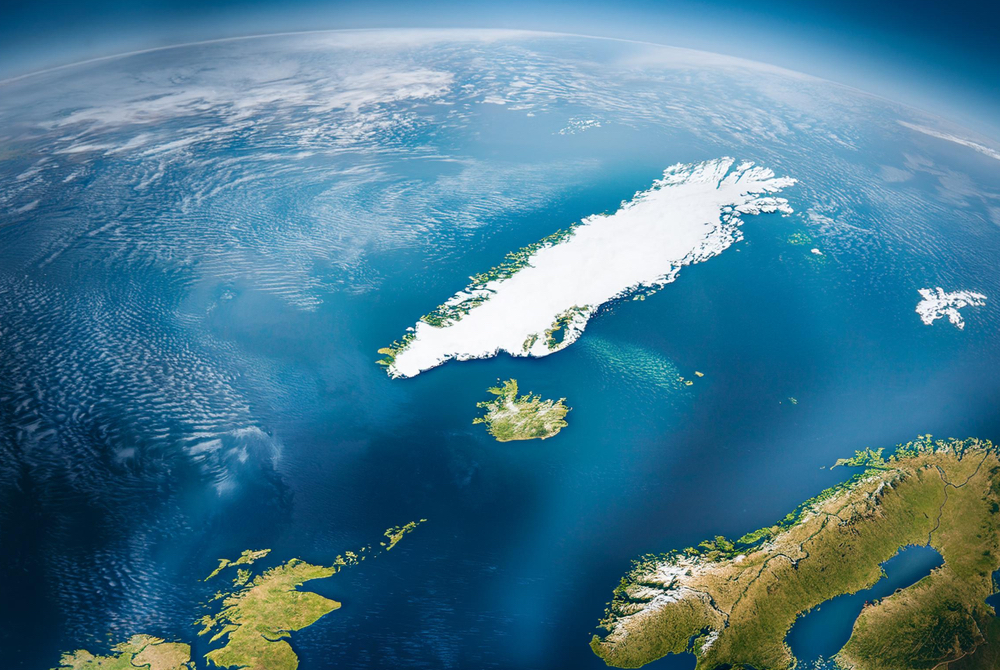
The North Sea From Space – AI-Generated
Seasonality and Best Time to Cruise
The best time for cruising these seas is during the height of summer, typically July and August.
The weather is generally more stable during these months, with calmer seas and longer daylight hours. Temperatures are milder, ranging from 12-17°C (54-63°F) in the North Sea.
Shoulder seasons (May, June, and September) can offer lower fares but come with an increased risk of rough seas and port cancellations. Cruises in September and October have occasionally faced significant weather-related disruptions, including missed ports and itinerary changes. Most cruise lines avoid winter months (November through April) due to harsh weather conditions, shorter daylight hours, and a higher likelihood of storms.
Port Cancellations and Rough Seas
The region is prone to port cancellations due to high winds or rough seas, particularly outside the peak summer season. Several factors contribute to this:
- Wind speeds: High winds can make docking difficult and create unsafe gangway conditions.
- Sea state: Rough seas can prevent ships from safely entering ports or navigating narrow fjords.
- Visibility: Fog and heavy precipitation can impair visibility, making navigation hazardous.
- Tidal conditions: Some ports, especially in the North Sea, have significant tidal ranges that can affect accessibility.
Advice for Cruise Passengers
- Summer cruises (July-August) offer the best weather conditions and the lowest risk of cancellations.
- If booking shoulder season cruises, be flexible and prepared for potential itinerary changes.
- Cruise lines prioritize passenger safety and make decisions about port calls based on current conditions.
While the North Sea, Norwegian Sea, and Iceland Sea offer breathtaking scenery and unique cruise experiences, knowing the potential for weather-related disruptions is essential. By choosing the right season and setting appropriate expectations, you can maximize their chances of a smooth and enjoyable journey through these northern waters.
To explore cruises in Northern Europe, please CLICK HERE.
If you enjoyed this article, sign up for our travel newsletter to keep abreast of our best travel tips, on-location reviews, exclusive travel offers, group travel events, and much more.

This article was written with the aid of Perplexity AI. Roaming Boomers Travel Services is an independent affiliate of Cadence and a Virtuoso® member. CST#201120-40
2 Comments on “Avoiding Rough Waters In the North Sea”
Leave a Reply
Our Client Testimonials


Research Travel Options

Best Way to Book a Cruise


Hello, advice please. We have just finished a cruise round Iceland and the Hebrides which has almost been ruined by seasickness in the latter part of the voyage. We have been on a small ship which I could not fault in any way. In February we are due to cruise the. Norwegian coast in a Cunard ship. Am I going to have the same problem at this time of year despite going in a much larger ship?
Hi Anthea,
I’m sorry seasickness affected your recent cruise so badly. A larger Cunard ship should generally feel more stable than a small ship, but unfortunately, size alone can’t guarantee a smooth voyage. The North Sea and Norwegian coast can experience rough weather in February.
I recommend choosing a cabin low down and near the middle of the ship, where movement is usually less noticeable. Since you now know you’re susceptible, speak with your doctor or pharmacist before traveling about preventative medication””it generally works best when taken before symptoms begin. Looking at the horizon, getting fresh air, and avoiding heavy meals and alcohol can also help.
I wouldn’t necessarily cancel the cruise, but I would go prepared.
Warm regards,
David